


How to Prevent Ingrown Hairs After Hair Removal
- contactohmsecret
- 2 days ago
- 5 min read
Freshly groomed skin should feel smooth and comfortable, not itchy, bumpy, or tender a few days later. Knowing how to prevent ingrown hairs can make waxing, shaving, and other hair-removal routines feel far more rewarding, especially if your skin is sensitive or your hair tends to grow back coarse and curly.
An ingrown hair happens when a new hair curls or grows sideways into the skin instead of rising through the surface. The body can treat that trapped hair as an irritant, creating a small bump, redness, tenderness, or sometimes a visible dark spot afterward. They are common around the bikini line, underarms, legs, chin, and jawline, but they are not something you simply have to accept as part of grooming.
The most effective approach is gentle consistency. Thoughtful preparation, professional technique, and calm aftercare can help your skin stay clearer between appointments.
How to Prevent Ingrown Hairs With a Better Routine
Preventing ingrown hairs is less about using one miracle product and more about supporting the skin before, during, and after hair removal. Your routine should keep pores and follicles clear without over-scrubbing or leaving the skin inflamed.
Start with clean, calm skin
Hair removal is best performed on clean skin free of heavy body oils, sweat, deodorant, or thick lotion. These can make it harder for hair to release cleanly and may leave residue around the follicle afterward.
If you are booking a wax, arrive with skin that has not been freshly scrubbed, sunburned, or irritated by active skincare products. A gentle cleanse before your appointment is enough. For facial hair removal, be especially mindful of retinoids, exfoliating acids, and acne treatments, as these can make the skin more delicate.
Exfoliate regularly, but never aggressively
Dead skin cells can collect at the surface and block a fine new hair from emerging. Gentle exfoliation helps keep that pathway clear. The key word is gentle: harsh scrubs, rough gloves, or daily acid treatments can create the irritation that makes bumps more likely.
For most body areas, exfoliating two or three times a week is a comfortable starting point. You may prefer a soft washcloth, a mild body exfoliant, or a product formulated with a low-strength chemical exfoliant. If your skin is dry, reactive, or prone to eczema, exfoliate less often and choose a softer method.
Do not exfoliate immediately after waxing. Newly waxed skin needs time to settle. Waiting at least 24 to 48 hours, depending on your skin sensitivity and your therapist’s advice, is a kinder choice.
Choose a hair-removal method that suits your skin
Every method has a trade-off. Shaving is quick and convenient, but a blunt hair tip can sometimes feel sharper as it grows out and is more likely to become trapped under surface buildup. Waxing removes hair from the root, which can leave the skin smoother for longer and may encourage finer-looking regrowth over time with regular appointments. However, waxing still needs proper aftercare to prevent friction and congestion around the follicles.
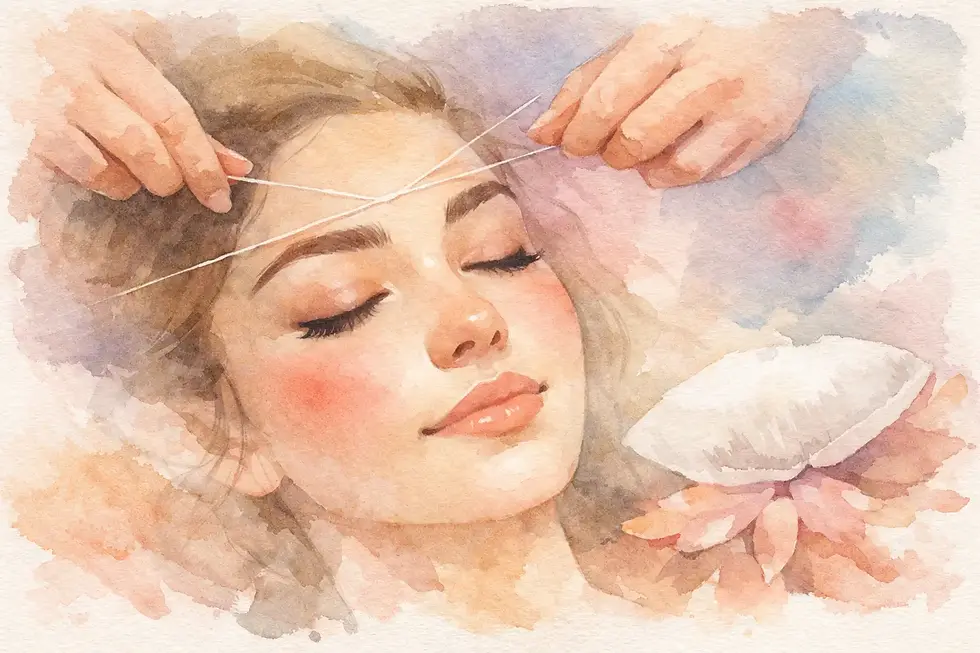
Threading is a precise, chemical-free option for the face and brows. It is particularly helpful for those who want clean shaping without applying wax to delicate facial skin. For coarser body hair, professional waxing offers a more polished finish than repeated shaving, especially in areas such as the underarms, legs, and bikini line.
Technique matters as much as the method. Hair should be removed in the right direction and with the skin properly supported. Rushing through hair removal, repeatedly going over the same patch, or trying to pull very short hairs can cause unnecessary irritation. This is where an experienced therapist can make a visible difference.
Aftercare That Lets Skin Breathe
The first day after hair removal sets the tone for how your skin recovers. Follicles are temporarily open and skin can be more responsive to heat, bacteria, sweat, and friction.
For the next 24 hours, choose loose, breathable clothing around waxed areas. Tight leggings, synthetic underwear, and fitted workout wear can rub against the skin and trap heat, particularly after a Brazilian or bikini wax. If possible, avoid intense exercise, hot yoga, saunas, steam rooms, and long hot baths that same day.
Keep the area clean and resist the urge to touch it. Picking at tiny bumps or trying to dig out a hair can lead to more inflammation, scarring, and discoloration. A cool compress and a simple, fragrance-free soothing product are usually more helpful than layering on multiple active treatments.
For facial threading or waxing, avoid heavy makeup for the rest of the day when you can. Let the skin settle before applying foundation, strong serums, or perfumed products. A calm, uncomplicated routine is often the most restorative one.
Moisturize to support a healthy skin barrier
Dry, tight skin does not shed evenly, which can make it easier for hair to become trapped. Daily moisturizing keeps the surface supple so new hairs have a better chance of growing through normally.
Choose a lightweight, non-irritating lotion for areas that are prone to ingrowns. If your bikini line or underarms are sensitive, skip strongly scented creams and rich oils immediately after waxing. Natural care should still feel comfortable on the skin, not tingly, sticky, or overheated.
A balanced routine often looks simple: cleanse gently, moisturize daily, and exfoliate at an appropriate pace once the skin has recovered. Consistency will do more for your results than constantly changing products.
Small Habits That Make a Big Difference
A few everyday choices can quietly contribute to ingrown hairs. Dull razors, for example, tug at hair rather than cutting it cleanly. If you shave, use a clean, sharp blade and plenty of shaving gel or cream. Shave in the direction of hair growth where possible, use light pressure, and avoid stretching the skin too tightly.
Do not shave too closely just to gain an extra day of smoothness. Multiple passes over one area may feel thorough in the moment, but it can leave skin more irritated and encourage hairs to grow inward. Replace blades regularly, and never share razors.
It also helps to avoid shaving or waxing over active bumps. Give inflamed skin a chance to calm down first. Removing hair from already irritated follicles can prolong the cycle and make the area more uncomfortable.
When Professional Waxing Is Worth It
If you repeatedly experience ingrown hairs after at-home grooming, professional waxing can offer a gentler reset. A trained therapist can assess hair texture, skin sensitivity, and the best approach for the area being treated. They can also remove hair efficiently without the repeated friction that often comes with frequent shaving.
At Ohm Secrets, waxing is approached as both a grooming ritual and a skin-comfort service. Careful preparation, quality products, and measured technique help create a smoother result while respecting sensitive skin. Regular appointments can also make it easier to maintain a consistent hair-growth cycle, rather than waiting until the skin is already irritated.
That said, waxing may not be right for everyone at every moment. If you use prescription acne medication, have recently used strong retinoids, are sunburned, or have broken skin, speak with a qualified therapist or healthcare professional before booking a treatment.
Know When a Bump Needs More Than Home Care
Most ingrown hairs improve with patience, reduced friction, and gentle care. But persistent, painful, warm, pus-filled, or rapidly spreading bumps may be more than a simple ingrown hair. Seek advice from a healthcare professional if symptoms worsen, you develop a fever, or the area does not improve after several days.
For recurring dark marks after ingrown hairs, avoid picking and protect exposed areas from the sun. Discoloration often fades slowly, and a gentle approach is kinder to the skin than trying to scrub it away.
Smooth skin is not about chasing perfection. It is about learning what your skin responds to, giving it room to recover, and choosing hair-removal care that leaves you feeling polished, comfortable, and genuinely cared for.


Comments